 English
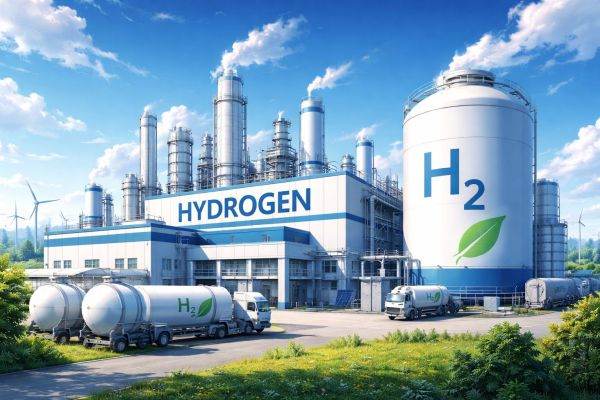
Hydrogen, considered one of the key solutions for a decarbonized energy future, may contribute, on a small scale, to warming the planet, warn scientists in a study published in the journal Nature, which calls for a better understanding and control of this phenomenon before expanding its uses, informs AFP. "Hydrogen is attracting growing interest as an energy vector capable of contributing to the decarbonization of heavy industry and transport, as well as to long-term energy storage," wrote the authors of the study, carried out by a consortium of researchers within the Global Carbon Project. However, the researchers warn that "an excess of hydrogen in the atmosphere has consequences for the climate." According to the study, entitled The Global Hydrogen Budget, this gas has contributed with approximately 0.02 degrees Celsius to the increase in average global temperatures by about 1.5 degrees Celsius compared to the pre-industrial period. Unlike carbon dioxide and methane, which accumulate in the atmosphere, hydrogen acts indirectly, helping to extend the lifespan of methane through its interaction with other gases, the study authors explain. About a third of current global warming is attributed to methane. The concentration of hydrogen in the atmosphere also increases through the decomposition of methane, a process that releases hydrogen, explained one of the lead authors of the study, Rob Jackson. Methane has increased significantly in the planet's atmosphere mainly due to agriculture - especially livestock -, the exploitation of fossil fuels and the decomposition of waste in landfills. The study highlights the risk of a vicious cycle: as methane decomposes and produces hydrogen, greater amounts of methane generate more hydrogen, which, in turn, contributes to extending the lifespan of methane in the atmosphere. "It is therefore essential to understand and control hydrogen leakage to properly assess the climate benefits of a hydrogen economy,” the researchers point out. The concentration of atmospheric hydrogen, a gas that is naturally present in small quantities, increased by about 70% from pre-industrial times to 2003. Levels then stabilized, but began to rise again around 2010. Currently, almost all hydrogen used globally is produced from fossil fuels, through highly polluting processes responsible for high greenhouse gas emissions.
In parallel, an emerging industrial sector is trying to develop the production of "green” hydrogen, obtained without carbon dioxide emissions, by electrolyzing water using electricity generated from non-fossil energy sources.






























 Euro
Euro Dolar SUA
 Franc elveţian
 Liră sterlină
 Gram de aur



























Reader's Opinion